Menu
Close

It’s ironic that I’m the one saying this, because companies pay me to develop their brand and marketing communications, which inevitably show up as content. But just like not everyone needs to write a book or make a movie, even if you technically can, that doesn’t mean you should. We’re drowning in information and content. Every minute. Every day. Every year. The word itself makes me feel slightly nauseous, the way a second helping of pasta looks when I’m already full. Enough is enough.
Here's the tension.
On one hand, you know, just like I know right now while I’m writing this, that the world already has more content than it could ever need. On the other hand, there is the quiet pressure that if you don’t publish, post, share, or signal, it’s almost as though you and your business don’t really exist. So we keep making things, posting, publishing, sharing, each of us convinced that what we’re saying is somehow different. But is it really different? Or does it just feel that way from the inside? Is it original or repetition? Truly yours, or just borrowed well? And does it matter?
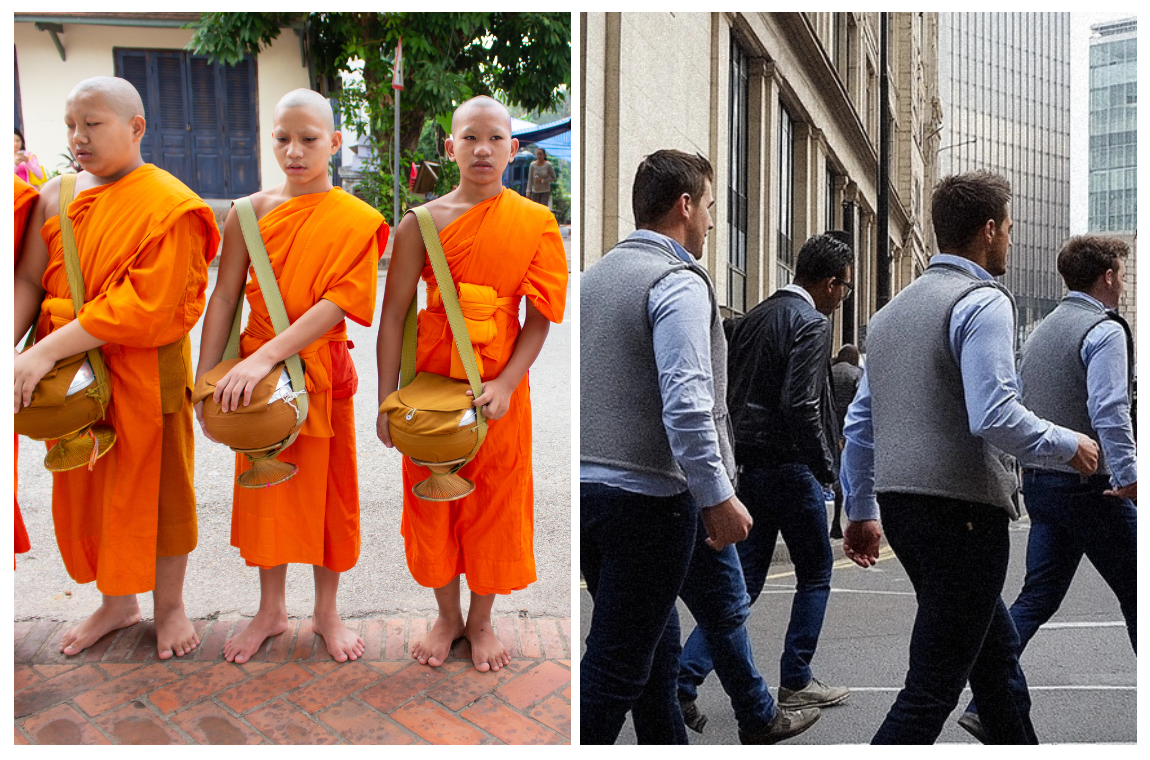
If you zoom in closely enough, most of what we call originality turns out to be learned behavior. Our desires are rarely self-born. We want things because we see others wanting them. We shape our voices, our tastes, our stories, by absorbing what seems to work in the world around us, then adding a small layer of our own personality on top. Call it mimetic theory or just human nature. We are not nearly as self-created as we like to think.
You’ve probably seen the famous Steve Jobs clip where he talks about branding and communications at Apple. He says they can’t talk about speeds and feeds, and that line everyone quotes comes up:
“We’re not going to get a chance to get people to remember much about us, so we have to be really clear on what we want them to remember.”
I hadn’t seen the clip in a while. It popped up on my feed again, as it inevitably does, so I watched it. Except this time, instead of hearing Steve talk, the video opened with an eight minute voiceover from a young guy re-explaining what Steve had already said, only with more words.
There was no new insight. No new angle. Just commentary on top of commentary. I clicked out after thirty seconds, a little irritated, before realizing that before he posted it, he recorded it, and before he recorded it, he must have thought: “I have something meaningful to add here.”
Which is the same conclusion everyone comes to before they post anything. It is the same conclusion I am coming to while writing this article. The same conclusion a Pulitzer Prize winning author makes before starting their next book. The same conclusion Francis Ford Coppola made before investing what remained of his fortune into his most recent film, which many people now call a catastrophic flop, possibly career ending, despite the fact that he made two or three of the greatest American films ever produced. And it is the same conclusion every entrepreneur, founder, CEO, and business team will come to when they launch their next marketing or communications initiative this year.
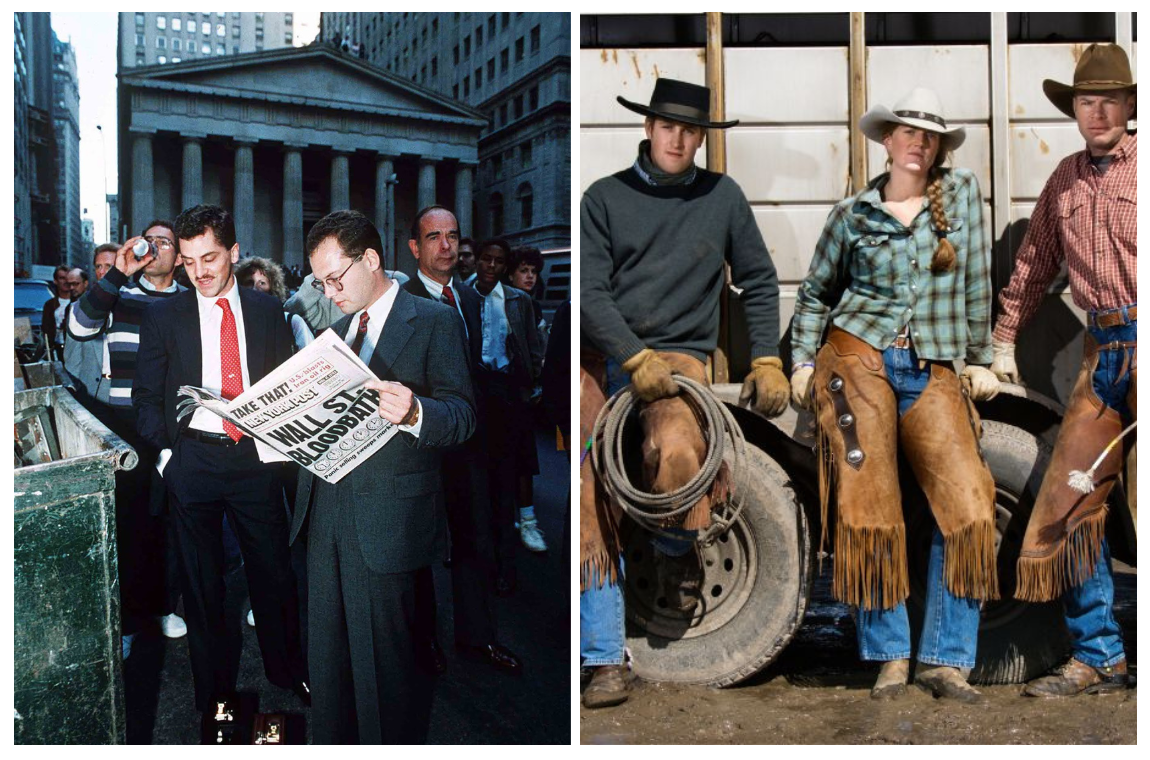
We find people we want to be like, and slowly they become us. In our minds they turn into idealized versions of themselves, and some part of us whispers, I want that life. So we copy. The clothes. The car. The voice. The persona. We assemble ourselves from borrowed images and then tell the mirror we’re original, even though most of what we think and want came from somewhere else first. Everyone has their own source material. Then we piece it together and call it a brand.
We can’t stop our minds from absorbing the world. And we can’t stop the instinct to turn what we absorb into some form of advantage or identity. That part is automatic. The real question is whether we ever slow down long enough to notice that it is happening. Because if we don’t, then what we call “self expression” is really just repetition with better lighting. And that shows up in real life. Brands start sounding the same. Leaders default to the same talking points. People tell the same stories with slightly different fonts. We convince ourselves we are being strategic, when really we are just rearranging familiar pieces and hoping it passes as originality.
Why do we adapt all that we adapt? Why do we look out into the world for things we want to claim as true and ours? Because it is easier to buy a shirt than to make it. It’s easier to buy a home than to build one. It’s easier to buy the latte than to till the beans. And so in this way, we construct a life made almost entirely from the makings of others. There’s nothing wrong with that. I actually think there’s something beautiful in it. But if the mind, like the physical expressions of ourselves, is simply reflecting what it has already seen, then we cannot honestly say it is unique.
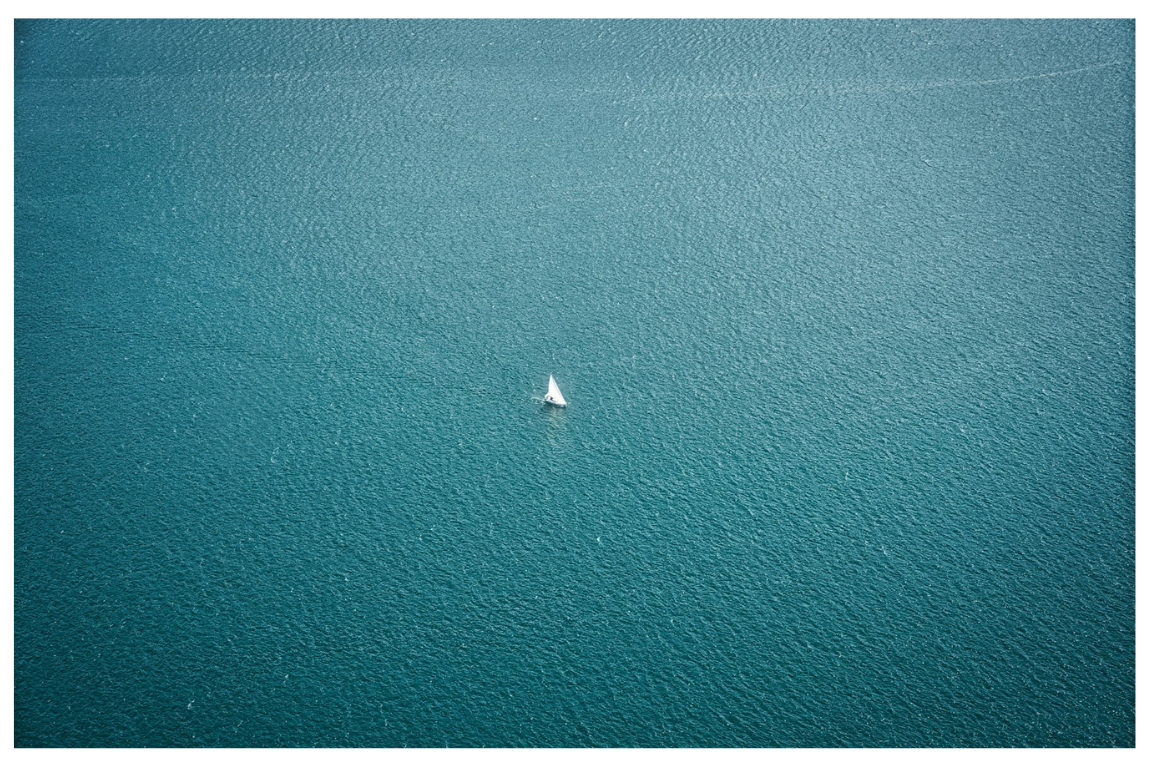
It takes courage to jump into the middle of the ocean at night with no clothes on. You cannot see any boats coming, or lights, or what lurks beneath the surface. You have to do it fully knowing there will be no boats coming, no lights turning on, and that yes, there are sharks waiting.
If knowing that, you jump, that is where it begins.
Once in a while, someone will jump and find something in some far-off part of the ocean. And we will say it is innovative and unique because it is. Because it comes from a place no one has gone before. And when we see it, we know we have not seen it before. In this way, it is better to have a marble-sized piece of the moon than the largest diamond in the world.
In the end, do not do it so you can come back with a shiny object and have people pat you on the back. Do it because only you can. And you have to.
Otherwise, the world misses something.
Maybe the point is not to stop creating, or to disappear from the conversation entirely. Maybe the point is simply to become more honest with ourselves about why we’re speaking, and where what we’re saying actually comes from. Because once you see how much of your “voice” is inherited, borrowed, influenced, recycled, it becomes harder to mistake habit for originality. And from that place, the work shifts. It becomes less about adding to the noise, and more about listening for what might be real.
So I’ll leave you with a few questions. Not to answer right away, but to sit with:
1. What, if anything, do you create that could only have come from you?
2. If you weren’t visible for a while, what part of you would still exist?
3. So when you do speak, what is worth adding to the conversation?
If there’s even a small corner of your life or work where those questions begin to shape the way you show up, maybe that’s enough. The world probably doesn’t need more content. But it might benefit from a little more awareness behind the things we choose to make.